
The Forgotten Ritual: Why Your Feet Deserve to Be Oiled, Massaged & Wrapped
Our feet are remarkably complex structures, yet they are one of the most neglected parts of the body. Every day, they absorb our body weight, respond to changes in pressure and temperature, help us balance, and send a continuous stream of sensory information to the brain. We moisturise our faces, oil our hair and care for our hands, while our feet are often left until the skin becomes dry, rough or cracked. But the soles are not simply a layer of skin at the bottom of the body. They are highly specialised sensory tissue, intimately connected to movement, balance, temperature perception and the nervous system.
The sole is a sensory map
The skin of the sole is different from much of the skin elsewhere on the body. It is thick, hairless skin containing several types of low-threshold mechanoreceptors - specialised sensory receptors that detect pressure, movement, vibration and deformation of the skin. These receptors send information through peripheral nerves to the central nervous system, helping the brain understand how the foot is interacting with the ground and contributing to posture, balance and gait.
That means that when you massage the sole of your foot, you are not simply rubbing oil over a surface. You are stimulating a remarkably responsive sensory interface. The pressure of your hands, the movement across the skin and even the warmth created through massage are all forms of sensory input. Research has shown that changing the temperature of the sole can alter how these receptors respond to mechanical stimulation, with newer research demonstrating that warming the skin can increase the activity of several classes of plantar mechanoreceptors.
Beneath the surface: skin, tissue and protection
The soles also have a fascinating physical architecture. The epidermis is particularly thick in plantar skin, forming the body's outer protective barrier, while beneath it sits the dermis, containing connective tissue, blood vessels, nerves and other structures that support the skin. Deeper still is specialised subcutaneous tissue containing fat arranged into compartments that help the foot withstand the repetitive compression created by standing and walking.
This is why our heels and soles can feel so different from the rest of our skin. They experience friction, pressure and mechanical stress for hours every day. Dryness can make that experience even more noticeable, leaving the skin feeling tight, rough or uncomfortable. A rich oil such as castor oil works primarily at the skin level: it conditions the outer layers, helps reduce moisture loss and leaves dry skin feeling softer and more supple. Castor oil is also recognised in cosmetic science primarily as a skin-conditioning ingredient.
Why castor oil makes sense for a foot ritual
Castor oil has an unusually distinctive fatty-acid profile, with ricinoleic acid making up the great majority of its fatty acids. Its naturally thick, viscous texture means it stays on the skin rather than behaving like a light, rapidly disappearing oil, making it particularly suited to slow massage and areas that need concentrated nourishment.
When you massage it into your feet, you are combining two different aspects of the ritual: the oil conditions the skin, while the massage provides mechanical and sensory stimulation. It is important not to think of topical castor oil as travelling through the skin and directly reaching internal organs; the skin is an effective biological barrier. Rather, the value of the ritual comes from caring for the skin and combining that topical nourishment with touch, pressure, warmth and stillness.
Then comes the wrap
There is something particularly interesting about what happens when you don't immediately wipe the oil away. Covering freshly oiled feet with a soft sock creates a physical layer between the skin and the environment. It can reduce the amount of oil transferred onto bedding, absorb excess oil and maintain a warm, comfortable microenvironment around the feet while the product remains in contact with the skin.
This is where wrapping the feet becomes more than a practical solution to oily sheets. Temperature is closely connected with the body's sleep-wake regulation, and the hands and feet are important sites of heat exchange. Studies investigating foot warming have found relationships between increased foot temperature and sleep onset, while a small controlled study found that wearing bed socks in a cool environment increased foot temperature and was associated with shorter sleep-onset time and longer total sleep.
The effect is not that socks somehow "switch off" the nervous system. Rather, warmth at the extremities forms part of a much larger thermoregulatory system. Your body is constantly balancing heat production and heat loss through changes in blood flow, skin temperature and the nervous system. Creating gentle warmth around the feet can therefore become a surprisingly meaningful part of an evening wind-down ritual.
Your feet are talking to your brain
Perhaps the most interesting thing about foot care is that the relationship isn't one-way. We tend to think of the brain controlling the feet, but sensory information is constantly travelling in the opposite direction too.
Pressure beneath the sole, stretching of the skin and movement across the foot provide information that helps the nervous system understand posture and movement. Studies have shown that manipulating sensory input from the soles can alter balance and gait, demonstrating just how important this feedback is.
This gives foot massage an interesting dimension. It isn't simply about making tired feet feel nice. Slow, deliberate touch gives the body a concentrated source of tactile input at a part of the body that is normally subjected to repetitive, functional stimulation - walking, standing, commuting, exercising, wearing shoes - rather than conscious care.
The feet as an energetic centre
There is also an ancient understanding of the feet that predates modern physiology. In Ayurveda, the soles are traditionally associated with marma points - vital points used within Ayurvedic practice - and Padabhyanga, the traditional practice of oiling and massaging the feet, has long been incorporated into evening rituals. Traditional Chinese Medicine similarly uses the feet as a map of acupuncture points and meridian pathways.
These energetic maps should be understood as traditional systems rather than anatomical equivalents of the nervous system. Modern anatomy does not demonstrate that an acupuncture point is a direct pathway to a particular organ, nor that massaging a point can literally massage an internal organ. But the traditions offer an interesting perspective: the feet are a place worthy of focused attention.
The soles have consequently been described in many wellness traditions as a grounding or energetic centre, and the phrase "second heart" is sometimes used poetically to describe the feet because of their importance in movement and circulation. Anatomically, they are not a second heart, and the main mechanism supporting venous return from the legs is the muscle pump of the lower limbs. But as a metaphor, it captures something beautiful about the role our feet play: they carry us through almost everything we do.
Why we created a sock specifically for this ritual
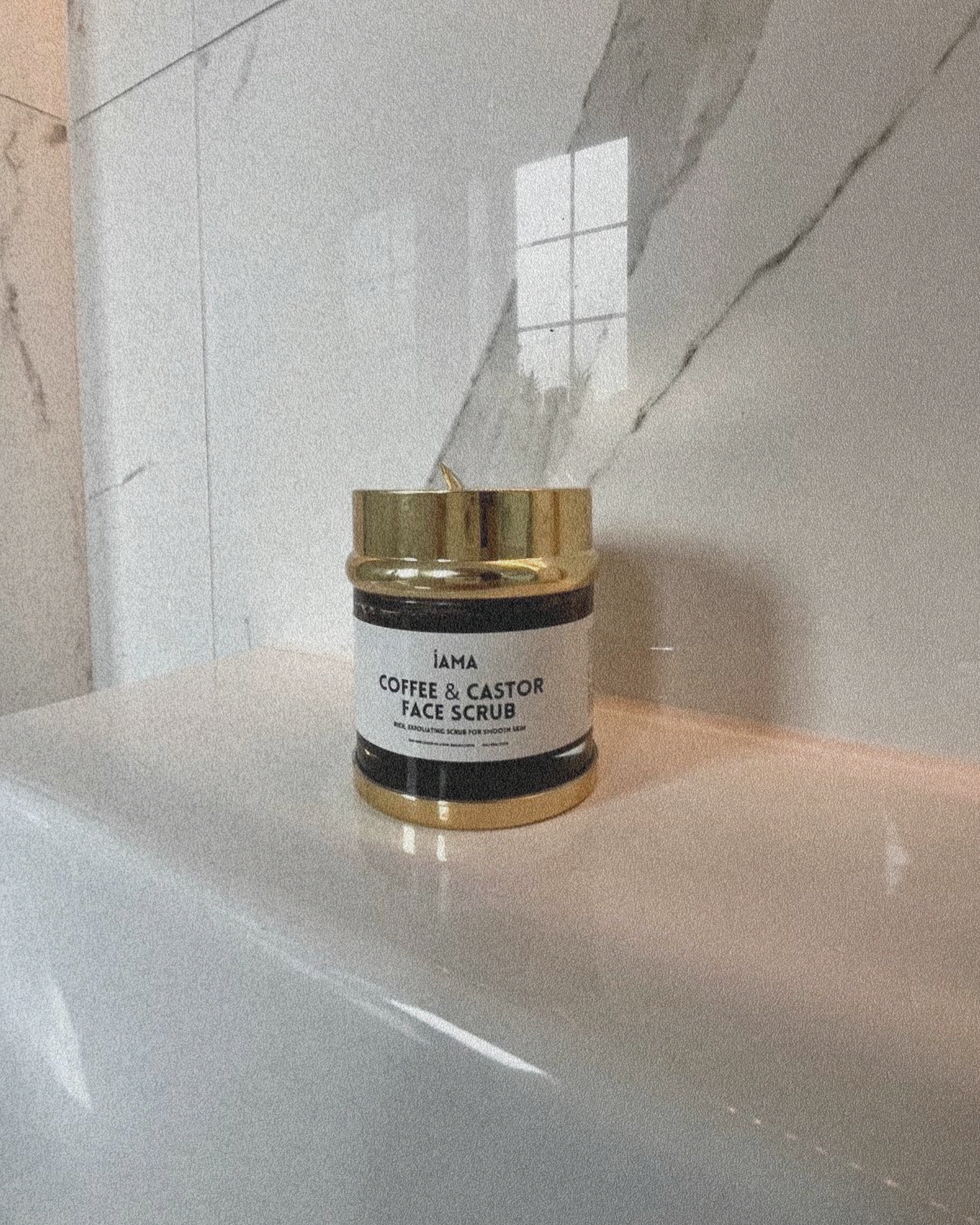
This is the thinking behind the iAMA Cotton Socks. We didn't want to make another everyday sock and simply suggest wearing it after applying oil. We designed the sock around the ritual itself.
The inside features an ultra-soft terry cotton lining, chosen for its ability to sit comfortably against freshly oiled skin while absorbing excess castor oil. The soft loops create a gentle layer over the soles and heels, helping minimise transfer onto bedding while keeping the ritual contained. The added warmth also complements the sensory experience of massage and the body's natural thermoregulatory processes.
It is particularly useful when your feet need more than simple moisturisation. Apply castor oil generously to dry heels, rough soles and areas that feel depleted after a long day, massage it slowly into the skin and then slip into the socks. The combination of a rich, conditioning oil, deliberate touch and a warm cotton layer turns something as simple as putting on socks into a purposeful evening practice.
A ritual for the part of you that carries everything
Foot oiling is ultimately a small act of reciprocity. Your feet spend the entire day supporting your weight, adapting to surfaces, absorbing pressure and providing your nervous system with information about the world beneath you. They are structural, sensory and highly responsive - yet they rarely receive the same attention we give to the rest of our body.
So take five minutes. Warm the oil between your palms, work it into the heels, arches, soles and toes, and pay attention to the areas that feel particularly dry or tired. Then wrap your feet in soft cotton and allow yourself to slow down.
References
Foot sole sensory receptors & the nervous system
Cutaneous afferent innervation of the human foot sole — PMC
Foot sole receptors, balance and gait
Cutaneous and muscular afferents from the foot and sensory fusion processing — PubMed
2026 research on warmth and plantar mechanoreceptors
Low-threshold cutaneous mechanoreceptors on the foot sole have enhanced sensitivity when skin temperature is elevated — PubMed
Foot temperature and sensory sensitivity
Foot sole skin temperature affects plantar foot sensitivity — PubMed
Foot warming, socks and sleep
Effects of feet warming using bed socks on sleep quality and thermoregulatory responses — PubMed
Skin temperature and sleep regulation
Skin temperature and sleep-onset latency — PubMed
Castor oil in cosmetics and skin conditioning
Re-Review Summary of Ricinus Communis (Castor) Seed Oil and Ricinoleates as Used in Cosmetics — PubMed